
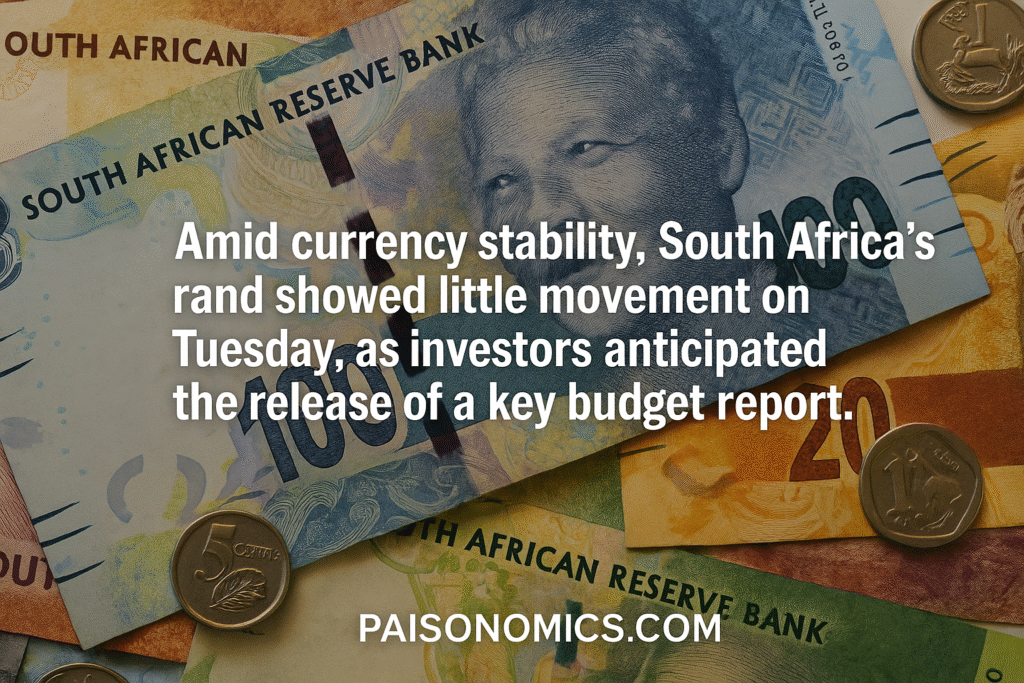
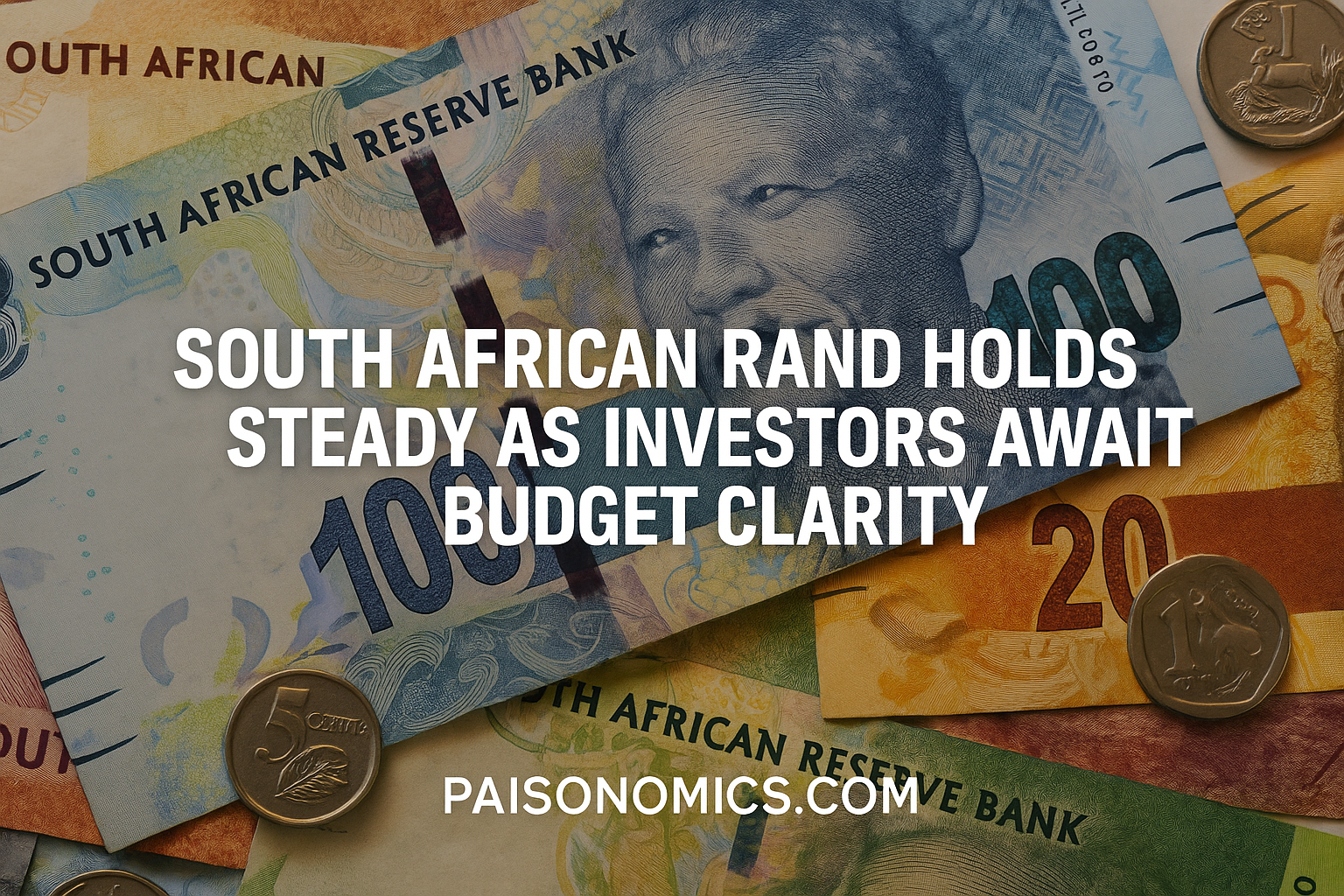
The South African rand (ZAR) has recently stabilized after a series of economic and political developments that caught global attention, especially from investors and analysts based in the United States. The country’s fiscal management, combined with global economic conditions, has placed the rand and South Africa’s broader financial health under the spotlight.
Key Developments Supporting Rand Stability
1. Withdrawal of the Proposed VAT Hike
South Africa’s government, facing intense political pressure and legal challenges, withdrew a proposed increase in the value-added tax (VAT) that was set to take effect from May 1, 2025.
The VAT reversal helped ease tensions within the coalition government, particularly between the African National Congress (ANC) and the Democratic Alliance (DA), who were at odds over fiscal policies. However, the decision also reignited questions about how the government plans to address growing budget shortfalls without the additional tax revenue.
2. Successful Government Bond Auction
On April 22, 2025, the South African Treasury successfully raised 3.75 billion rand (approximately $201.6 million) through an auction of inflation-linked bonds maturing in 2035, 2038, and 2053.
This strong demand for South African bonds reflects continued investor confidence, despite the underlying political uncertainties. It indicates that international and local investors still believe in South Africa’s long-term fiscal resilience, provided the government can present a clear path forward for managing its debt and expenditures.
3. Currency Performance and Market Reactions
Following the withdrawal of the VAT hike, the South African rand remained relatively steady, trading around 18.82 against the U.S. dollar.
The Johannesburg Stock Exchange’s Top-40 index also rose by 0.7%, showing broader market optimism. Analysts expect the rand to consolidate between R18.60 and R19.00 in the near term, barring any unexpected political or global economic shocks.
4. Broader Global Context
The South African Reserve Bank Governor, Lesetja Kganyago, recently pointed out that emerging economies like South Africa could face longer periods of tighter global financing conditions.
Increased interest rates in developed markets, shifting investor sentiment, and slower global growth could challenge South Africa’s fiscal and monetary stability in the coming quarters.
However, South Africa’s relatively proactive fiscal steps — such as the successful bond auction and market-friendly decisions — offer reassurance amidst broader uncertainty.
Future Outlook
Investor sentiment toward South Africa remains cautious but constructive. The key factors that will influence the rand’s trajectory in the coming weeks include:
- Clarity on how the government will plug the budget gap created by the VAT hike withdrawal
- Stability within the ruling coalition
- South Africa’s handling of global financing challenges
Should the government outline credible fiscal measures without triggering political instability, the rand may continue to hold or even strengthen slightly. Conversely, any signs of deepening political rifts or fiscal slippages could put renewed pressure on the currency.
For now, the South African rand’s resilience is a positive signal, showing the country’s capacity to weather internal and external challenges — but the road ahead remains delicate.
Disclaimer:
This article is intended for informational purposes only. It should not be considered financial advice, investment advice, or any form of recommendation. Readers are advised to consult with a qualified financial advisor before making any investment or financial decisions.


